
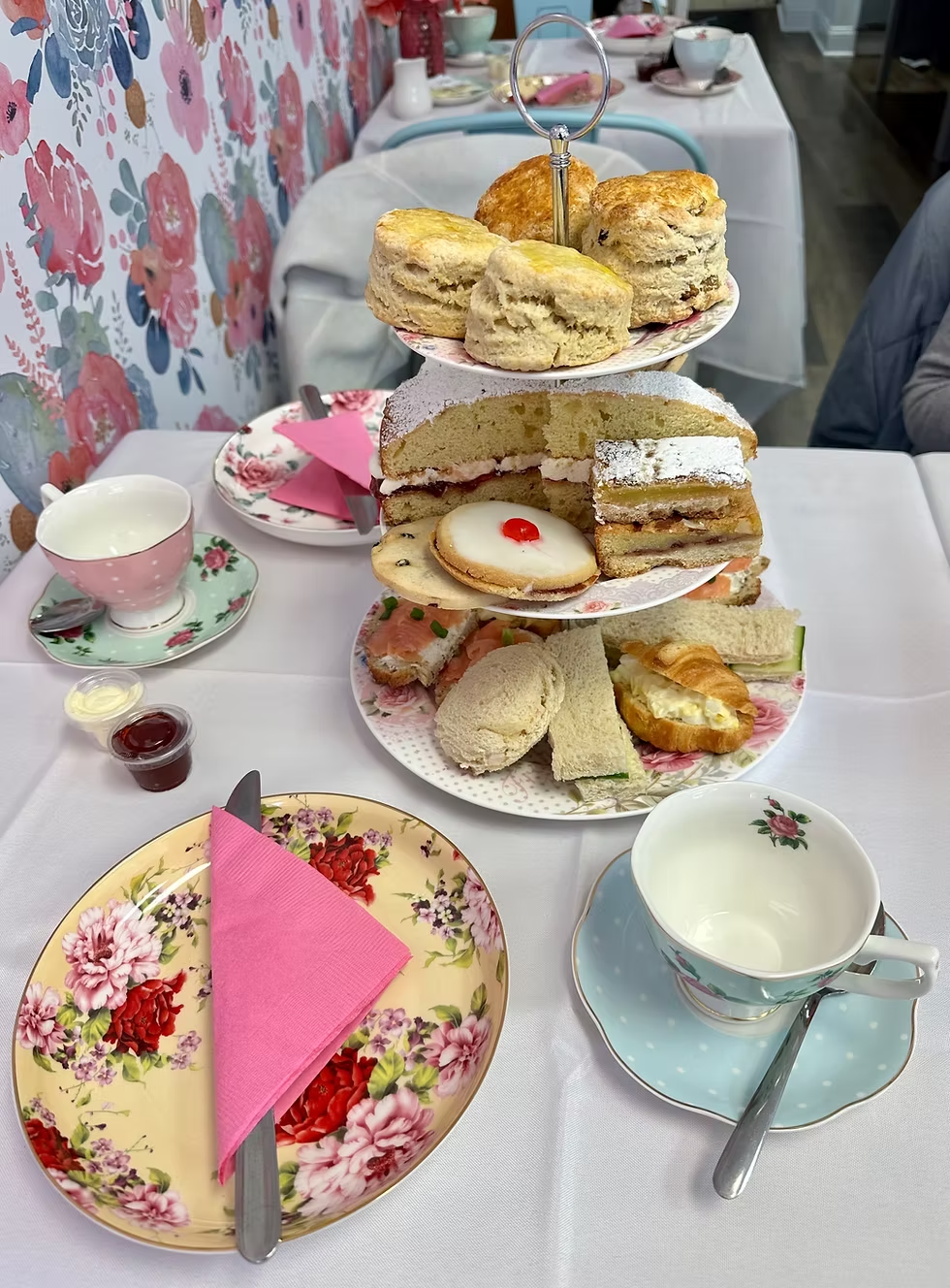
Few traditions feel as special as an English afternoon tea. Delicate sandwiches, warm scones with jam and cream, a selection of small cakes and a proper pot of tea turn an ordinary afternoon into an occasion. The good news is that hosting your own afternoon tea at home is easier than it looks, and most of it can be prepared ahead. This guide covers what to serve on each tier, how to make a good pot of tea, how much food to plan and how to set a pretty table.
A short history of afternoon tea
Afternoon tea is usually credited to Anna, Duchess of Bedford, in the 1840s. With dinner served late in the evening, she began taking tea with bread and butter and cake in the late afternoon to fill the gap, and soon invited friends to join her. The custom spread through fashionable society and became a British institution. Today it is a favorite way to celebrate birthdays, bridal and baby showers, Mother's Day or simply a get-together with friends.
Afternoon tea or high tea?
The two are often confused. Afternoon tea is the light, elegant meal of sandwiches, scones and cakes served mid-afternoon, traditionally at low tables in a drawing room. High tea was historically a more substantial early evening meal for working families, eaten at the high dining table, with hot savory dishes. If you are serving tiered stands of dainty food, you are hosting an afternoon tea.
What to serve: the three tiers
A classic afternoon tea is served on a three-tier stand, eaten from the bottom up: savory first, then scones, then sweets.
Bottom tier: finger sandwiches
Sandwiches should be small, crustless and neatly cut into fingers or triangles. Popular fillings include:
- Cucumber with butter or cream cheese, the most traditional of all
- Egg mayonnaise with cress
- Smoked salmon with cream cheese and dill
- Ham with mustard
- Coronation chicken, a mildly curried chicken salad
Middle tier: scones
Warm scones served with jam and thick clotted cream are the heart of afternoon tea. Plain or fruit scones are traditional, but flavored scones are a lovely addition. There is a long-running friendly debate in England about whether the jam or the cream goes on first: in Cornwall it is jam first, in Devon it is cream first. Either way, split the scone by hand rather than cutting it with a knife.
Top tier: cakes and sweets
Choose a mix of small sweets with different textures and flavors, such as a slice of cake, a Bakewell slice, lemon bars, shortbread or English biscuits, mini tarts and macarons. Keep portions small; guests will want to try a little of everything.
How to make a proper pot of tea
- Use fresh water. Boil freshly drawn cold water; re-boiled water makes flatter-tasting tea.
- Warm the pot. Swirl a little hot water in the teapot and pour it away.
- Measure the tea. Use about one teaspoon of loose leaf tea, or one tea bag, per cup.
- Brew for the right time. Black teas such as English Breakfast, Assam and Earl Grey need boiling water and three to five minutes. Green and white teas prefer cooler water and shorter brewing.
- Serve with milk, lemon and sugar. Offer milk for black teas and lemon slices for Earl Grey or lighter teas.
Offer two or three teas so guests have a choice, including one caffeine-free herbal option.
How much food per guest?
Afternoon tea is generous, but each item is small. As a guide, plan per person:
- 4 to 6 finger sandwiches
- 1 to 2 scones
- 3 to 4 small sweets or cake slices
If the tea is replacing lunch, lean toward the higher end; if it follows a meal, the lower end is plenty.
Variations and dietary needs
Afternoon tea is easy to adapt. For vegetarian guests, swap the salmon and ham for fillings such as egg, cheese and chutney, or roasted vegetables with hummus. For a children's tea, serve jam sandwiches, mini cupcakes and fruit, with lemonade or hot chocolate alongside the tea. A seasonal theme also works well: strawberries and cream in summer, spiced bakes and apple cake in the fall, or mince pies and Christmas cake in December. Ask guests about allergies in advance, label anything containing nuts and keep any special items on a separate plate so they are easy to find.
Setting the table
Afternoon tea is an excuse to bring out your prettiest things. Mismatched vintage china looks charming, while matching sets feel formal. You will need a cup and saucer, a small plate, a knife, a teaspoon and a napkin for each guest, along with a teapot, milk jug, sugar bowl, small bowls for jam and cream, and a tiered cake stand. Fresh flowers in a small jug, a pretty tablecloth and a few candles complete the setting.
A simple timeline
- Two days before: bake cakes, shortbread and bars that keep well. Buy flowers.
- The day before: make sandwich fillings and keep them chilled. Set the table.
- The morning of: bake or warm the scones. Assemble the sandwiches, cover them with a damp towel and refrigerate.
- Just before guests arrive: arrange the tiered stand, boil the water and warm the pot.
If you would like to bake the scones yourself, the quick scone recipe in our 10 easy dessert recipes is a good place to start.
Let someone else do the baking
If you would rather spend your time with your guests, you can bring the bakery to your table. Another Slice of Cake offers an Afternoon Tea service with a three-tier platter of savory sandwiches, a cake slice, Bakewell slice, lemon bar, English biscuits and English scones with jam and clotted cream. Our scones are also available in flavors such as maple pecan, cherry almond, lemon and orange, and the Irish apple cake and whole orange cake are perfect with a cup of tea.
Enjoy the occasion
The secret to a lovely afternoon tea is not perfection but generosity: good tea, plenty of small treats and time to sit and talk. Plan ahead, keep it simple and enjoy pouring the first cup. For more ideas for your next gathering, read cupcakes or cake? or browse our bakery menu.
Comments